AI won't take your job. Indecision might
23 Sept, 2026

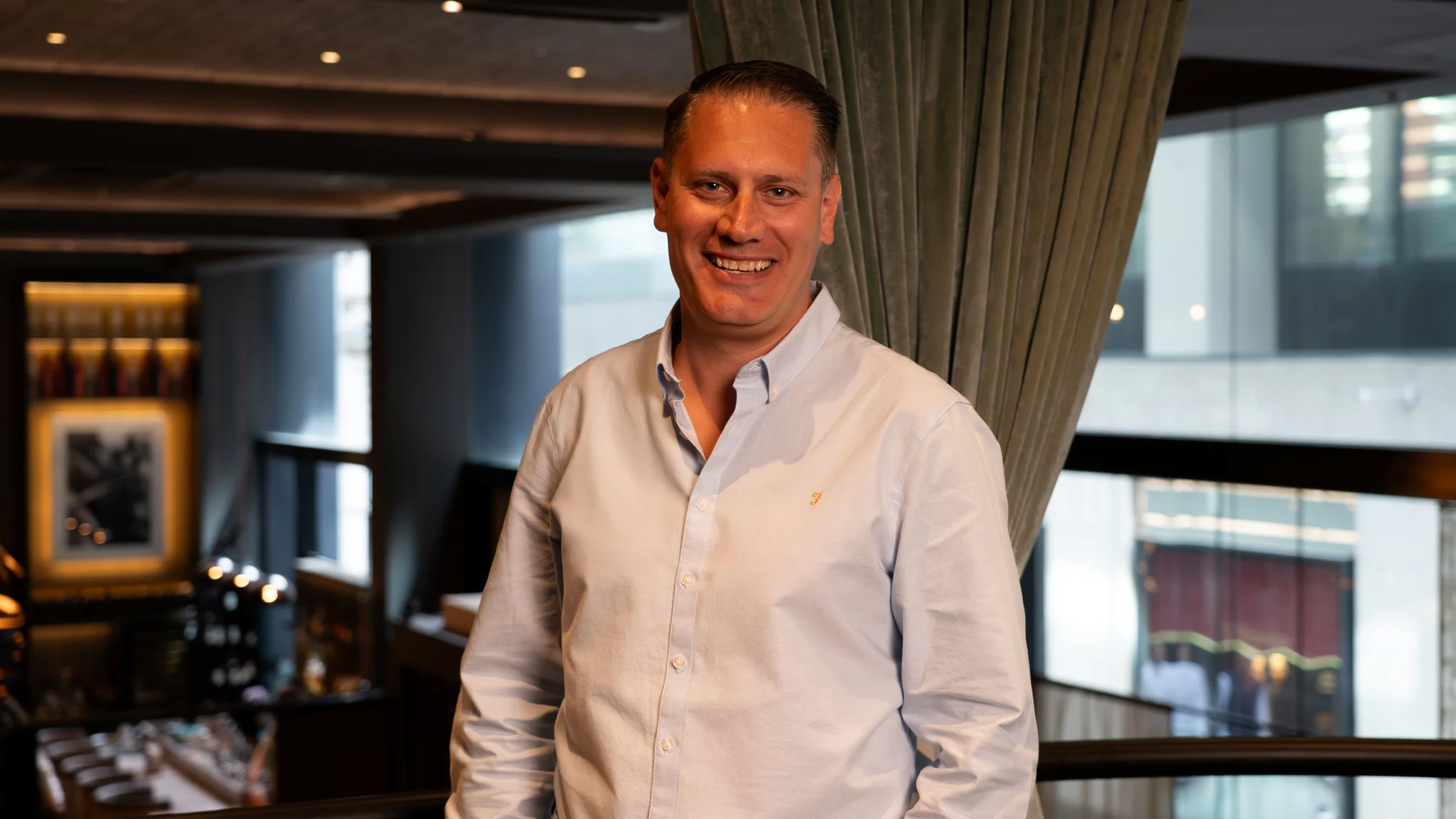

Ben Rowland from Eutopia Search sat down with Steve Manders, getagentiq.io, to talk through what's actually setting senior finance candidates apart in a market where everyone claims some level of AI fluency.
AI tools have what's best described as a jagged edge. They're extraordinary at some tasks and surprisingly poor at others, and the two don't fall where you'd expect. A model might handle a genuinely complex judgement call well, then fumble something that looks trivial on the surface. Knowing where that edge sits, for the task in front of you, matters more than knowing about any single tool.
That's a harder truth than most AI content wants to admit, and it points to something bigger about where this is all heading.
The gap that's actually opening up
By 2030, the businesses that have genuinely pulled ahead with AI won't be the ones with the flashiest pilot. They'll be the ones who did the unglamorous work early: got their data trustworthy, made their controls machine-readable, and built the discipline of proving one workflow before scaling it.
AI capability itself will keep improving regardless of what any individual business or person does about it. Everyone will, roughly, have access to the same models. The gap that actually opens up won't be about access. It'll be about who did the groundwork to use it well. That's true at the organisational level, and it's just as true for individuals building a career around it.
What actually changes, day to day
For finance professionals specifically, the honest answer is that AI changes the shape of the job before it changes the headcount. A large amount of finance work is repetitive, data-heavy and light on judgement: reconciliations, exception chasing, first-pass variance analysis. That's exactly the category AI is good at supporting. The judgement-heavy work, the "should we actually do this" decisions, stays firmly human. The professionals who do well over the next few years won't be the ones who resist AI, and they won't be the ones who trust it blindly either. They'll be the ones who learn where that line sits for their own work and stay comfortable moving it as the tools genuinely earn more trust.
What actually sets people apart
Here's where most people are underselling themselves without realising it. Saying "I use ChatGPT" isn't a differentiator any more, everyone can say that. What actually sets someone apart is demonstrable, hands-on experience: have you built something, broken it, and fixed it again, or are you describing a tool you tried a few times?
The credible version of this isn't a claim to be an AI expert. It's being honest about what's proven where. Deep, client-delivered experience in one area sits alongside experience built through personal projects and systems in another, and the strength is in being upfront about which is which, rather than blurring the two into one impressive-sounding story.
Staying relevant without needing to become a specialist
This doesn't mean everyone needs to start building their own AI infrastructure. It means applying the same audit-first thinking that works at an organisational level to your own role and your own career.
Start by looking at your own work the way you'd audit a business process: which parts of what you do are repetitive and data-heavy, and which parts genuinely require judgement, context or relationships. The first category is where AI tools are worth learning properly. The second is where your value is only going to matter more, not less.
Then get hands-on with something small and real, rather than reading about the technology from a distance. That doesn't need to be a production system. It might be using AI properly on one recurring task in your own role, testing where it helps and where it quietly gets things wrong, and being able to talk about that experience specifically rather than in generalities.
The risk isn't AI itself. It's closing off to it too early, or adopting it uncritically without ever questioning what it gets wrong. Both leave you in the same position: unable to speak credibly about where it actually helps. Staying open, and staying sceptical, aren't in tension. They're the same skill.
None of this replaces judgement. If anything, it sharpens what judgement is worth. The people, and the businesses, who understand their own decisions well enough to know where AI genuinely helps are the ones who'll be ahead of this, not because they moved fastest, but because they did the groundwork first.