Exploring the Impact of Flexible Working!
23 Jun, 2025


Each year, International Women's Day prompts reflection on progress, representation and the stories we choose to amplify. At Eutopia, our work sits at the intersection of talent, opportunity and progression. Through this lens, we see firsthand how leadership pipelines evolve, succession plans take shape and where representation strengthens or stalls.
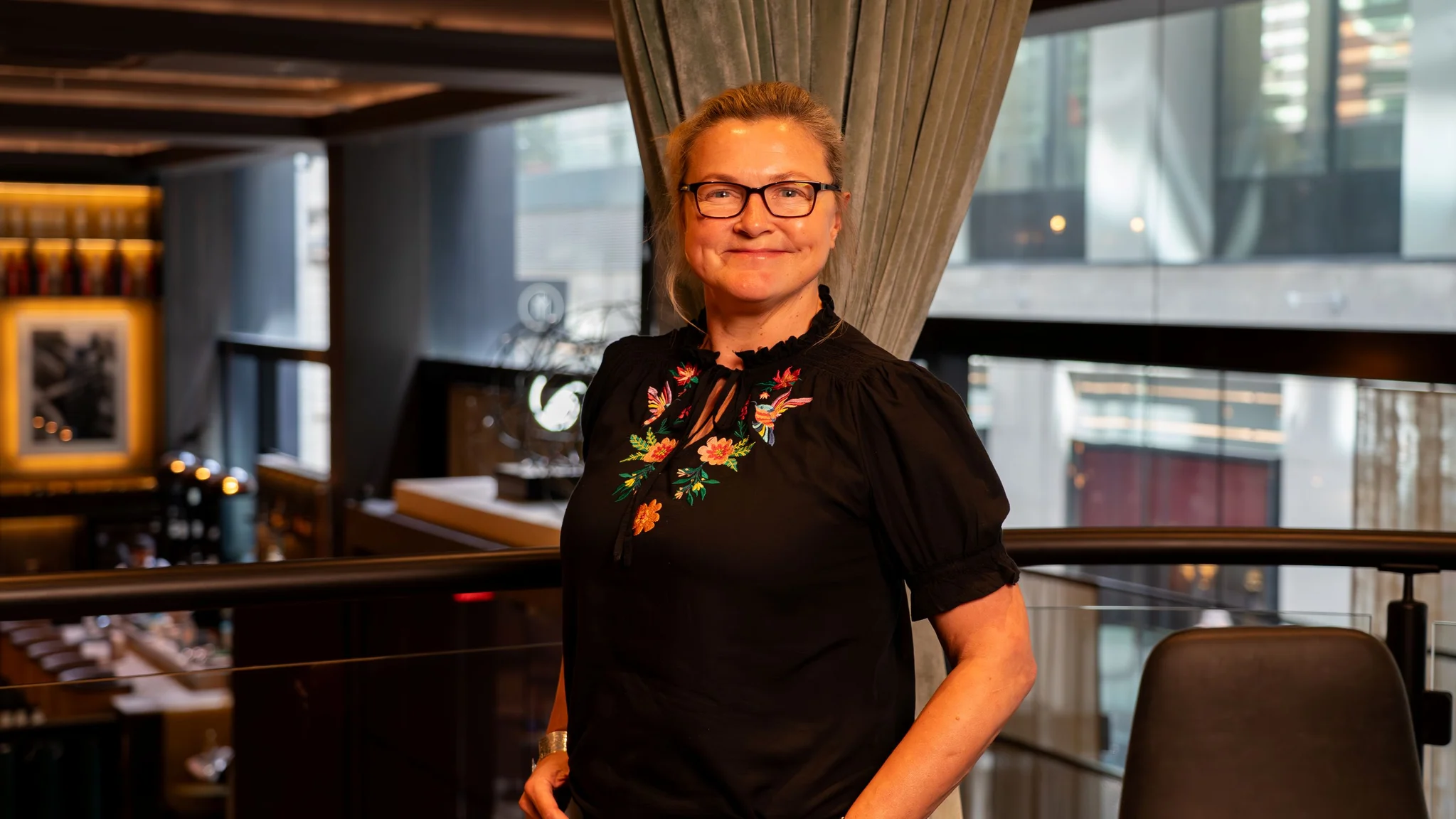
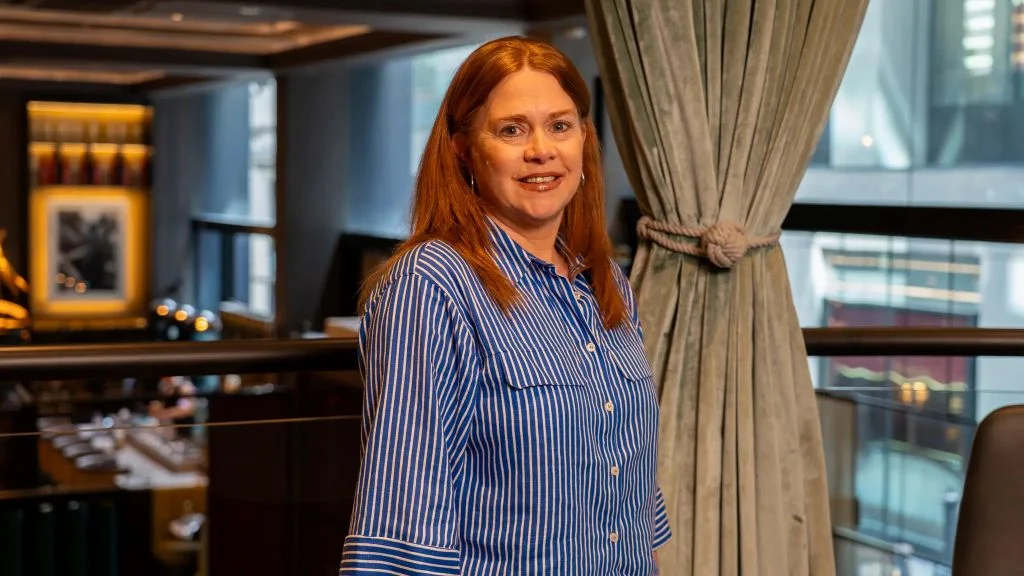
This perspective is shaped in particular by two of our senior specialists in Facilities Management, Claire Street and Louise Lowes who operate at leadership level across Facilities Management. As senior recruiters placing professionals into high impact roles, they have spent years observing how careers develop within FM and what progression truly looks like in practice.
Louise brings an additional strategic insight through her role as EDI Lead at Eutopia, alongside her involvement with the LGBT+ in FM Committee and the IWFM North Committee as EDE&I Lead. Both are consistent advocates for progression and greater representation within the sector.
What follows reflects their shared perspective shaped by years of recruiting at senior level within Facilities Management. This isn’t a piece about criticism. It is about perspective and possibility.
Reframing Facilities Management
When we speak to people about Facilities Management, certain images still tend to surface. Operational. Engineering heavy. Traditionally male. In our experience, that narrow framing misses the scale and influence of the profession.
Facilities Management is strategically critical and commercially influential. It is vast in scope and increasingly progressive. It spans hard and soft services, engineering and compliance, ESG and sustainability, workplace strategy and multi-site operational leadership. It connects people, property, performance and risk. FM is business infrastructure. When it is done well, organisations function better, operate more safely and deliver more effectively.
The level of responsibility required in this industry demands strategic thinking, financial acumen, operational expertise and strong leadership capability. These are people skills, not male skills, and we see them demonstrated by individuals of all backgrounds in the roles we recruit every day.
An Accessible Industry with Real Progression
One of the most compelling aspects of FM, from our perspective, is how accessible it is as a career path.
We have seen clear progression routes into senior management time and again. Many professionals enter through operational roles and build experience alongside funded qualifications and structured development. Others join from engineering, hospitality, retail or the armed forces. Leadership is achievable via multiple entry routes.
That breadth of entry points is particularly important when we consider how women access the sector. There is no single mould or background required to succeed in FM. The industry rewards capability, commercial awareness and leadership potential rather than conformity to a traditional profile.
We have seen individuals, including many talented women, progress to senior leadership faster than in many traditional professions because the sector recognises delivery, resilience and strategic thinking.
In a climate of rising university fees and extended qualification pathways, Facilities Management offers an alternative route to commercial leadership. It allows people to earn while they learn, gain practical experience and progress on merit.
The STEM Reality and the Broader Opportunity
It would be unrealistic for us to ignore structural realities.
Many regulated FM roles require engineering backgrounds, and STEM subjects continue to attract more male students at school and university. This affects the pipeline, but it does not reflect capability. STEM should be seen as one possible stepping stone, not the only route into leadership.
The more important question, in our view, is whether we are showcasing the full breadth of Facilities Management to young women. Leadership roles in FM are not defined solely by technical specialism. They draw on commercial awareness, stakeholder management, operational strategy and people leadership. They require negotiation skills, resilience and the ability to see the bigger picture.
This is where FM could be getting its moment in the light. Too often, pathways into the sector are framed narrowly, suggesting that only certain qualifications or technical backgrounds are relevant. In reality, the skills women bring, whether through STEM, social sciences, operational experience or other routes, are exactly what FM needs.
The opportunity we should be sharing with young women is a future where leadership, progression and impact are accessible through multiple pathways. FM is not just a technical career — it is a space for strategic thinking, influence and meaningful responsibility. By broadening the conversation, we can inspire more women to see themselves in these roles and understand that STEM is just one of many stepping stones rather than a limiting filter.
By highlighting the full range of roles, pathways and leadership opportunities, we hope to make Facilities Management more visible and tangible to women at all stages of their careers. Because ultimately, you can only be what you can see.
You Can Only Be What You Can See
For us representation remains central to this conversation.
Throughout our careers, we have seen how powerful visibility can be. Seeing women leading complex portfolios, managing large operational teams and holding strategic responsibility changes what feels possible. It shapes ambition at an early stage and reinforces belonging at a senior level.
We have placed women into significant leadership roles across the sector in recent years. These appointments are not anomalies; they’re evidence of what is achievable.
We’d like to see Facilities Management as an industry you would confidently recommend to a daughter, a mentee or a student at a careers fair. An industry where leadership is visible, progression is tangible and impact is measurable. Visibility reshapes ambition.
Progress Without Pretence
There are systemic barriers and as in many industries, historic imbalances exist. Perceptions do not shift overnight but we are seeing really positive changes.
There is greater flexibility in working patterns, increased focus on leadership diversity and more active engagement with inclusion initiatives across major employers and service providers.
Research from organisations such as McKinsey & Company continues to demonstrate that diverse leadership teams outperform their peers commercially as well as culturally. Diversity is a strategic advantage.
In Facilities Management, progress is visible even if it is not yet complete.
Give to Gain
This year’s theme encourages us to consider what we give in order to achieve meaningful progress.
For the Facilities Management industry, that means continuing to widen the conversation around who the sector is for and how careers within it are communicated. Greater visibility, stronger advocacy and more open pathways will help ensure the breadth of opportunity within FM is understood by a wider and more diverse audience.
For employers and industry leaders, it is about recognising that the sector is broader and more progressive than many realise and ensuring that recruitment, development and promotion practices reflect that reality. Creating opportunities to showcase career journeys, engage with schools and colleges and support professional development will help more people see what is possible.
Facilities Management is commercially powerful, socially mobile and strategically critical.
Its next chapter depends on visibility.
Because you really can only be what you can see.